
Probiotic Mistake! Thinking "Battlefield" Instead of "Ecosystem"
Belly Garden Series 1 of ~

by WellnessWiz Jack

Probiotic supplements are the go-to antidote for antibiotic overload—from farms to pharmacies to “oral care.” As usual, there’s the marketing story—and then there’s reality.
WellnessWiz Jack’s Short Stack’s verdict is firm: you’re not getting your probiotic money’s worth. We’ll show you how probiotics actually work—and when they don’t.
Most probiotic mistakes begin with a bad metaphor.
Somewhere along the way, the gut got recast as a war zone. Bad bugs are the enemy. Probiotics are good reinforcements. Antibiotics are carpet bombs. Victory is measured in CFUs (Colony-Forming Units) deployed and casualties eliminated.
A CFU is the science-term for one microbe (or small clump, thus a quantity) that can grow into a visible colony under controlled conditions. Like rabbits in the carrot patch.)
War zone thinking is a complete SNAFU (Situation Normal All Fouled Up).
Your gut is not a battlefield. It’s an ecosystem—more rainforest than trench warfare. And ecosystems don’t thrive on shock-and-awe tactics. They collapse.
Your belly-garden requires gardeners, not soldiers.
When people feel bloated, inflamed, or foggy, they often reach for probiotics like calling in air support. More troops. Bigger battalions. Multi-strains, 100-billion-CFU mega-blends with names that sound like elite special forces.
What could possibly go wrong? Plenty. In fact, this is where things go FUBAR (Fouled :-) Up Beyond All Recognition).
Balance. In ecosystems, ratios (balance) of different species working together matters more than brute force.
Diversity. Different species support different functions via post-biotic compounds, such as making butyrate for colon cell energy, or Vitamin B12 for cell metabolism.
Timing. Take probiotics with food for lower stomach acid attrition, away from antibiotics to avoid probiotic instant death, in the morning for better immune sampling (your immune system’s ability to determine probiotics as friends), less risk of fermentation.
Context. Drop a herd of animals into a damaged habitat with no food, water, or shelter, and we don’t restore the ecosystem—we feed the buzzards. The same is true in the gut.
If stomach acid is low (more pathogenic species downstream), bile flow is sluggish, fiber intake anemic, and inflammation already smoldering, adding random microbes is not “support” — it’s confusion. Friendly organisms arrive to a hostile environment, can’t do their jobs, thus signal distress. The brain interprets this as “probiotics don’t work” or “I reacted badly.”
The probiotics work—the strategy was flawed.
The war metaphor encourages a dangerous idea: that microbes are either good guys or bad guys. In reality, most are neutral actors whose behavior depends largely on terrain, food supply, and neighboring species. Today’s ally can be tomorrow’s nuisance under different conditions.
Ecosystems don’t need enemies eliminated. They need life-support relationships restored.
That statement above is mostly true thanks to keystone probiotic species. But there is a time—a limited time—for a pathogen purge or culling out noxious predators.
A healthier model looks less like a battlefield and more like land management. Improve soil (terrain) quality. Restore waterways. Reintroduce species thoughtfully. Remove chronic stressors. Stop dropping bombs and hoping for peace.
Probiotics, when used well, are not soldiers. They’re gardeners, messengers, teachers, and transient visitors helping nudge the system back toward coherence.
Treat them like a standing army, and you’ll stay stuck in perpetual conflict. Treat the gut like an ecosystem, and—remarkably—it often remembers how to regulate itself.
The gut doesn’t need a general. It needs a gardener.
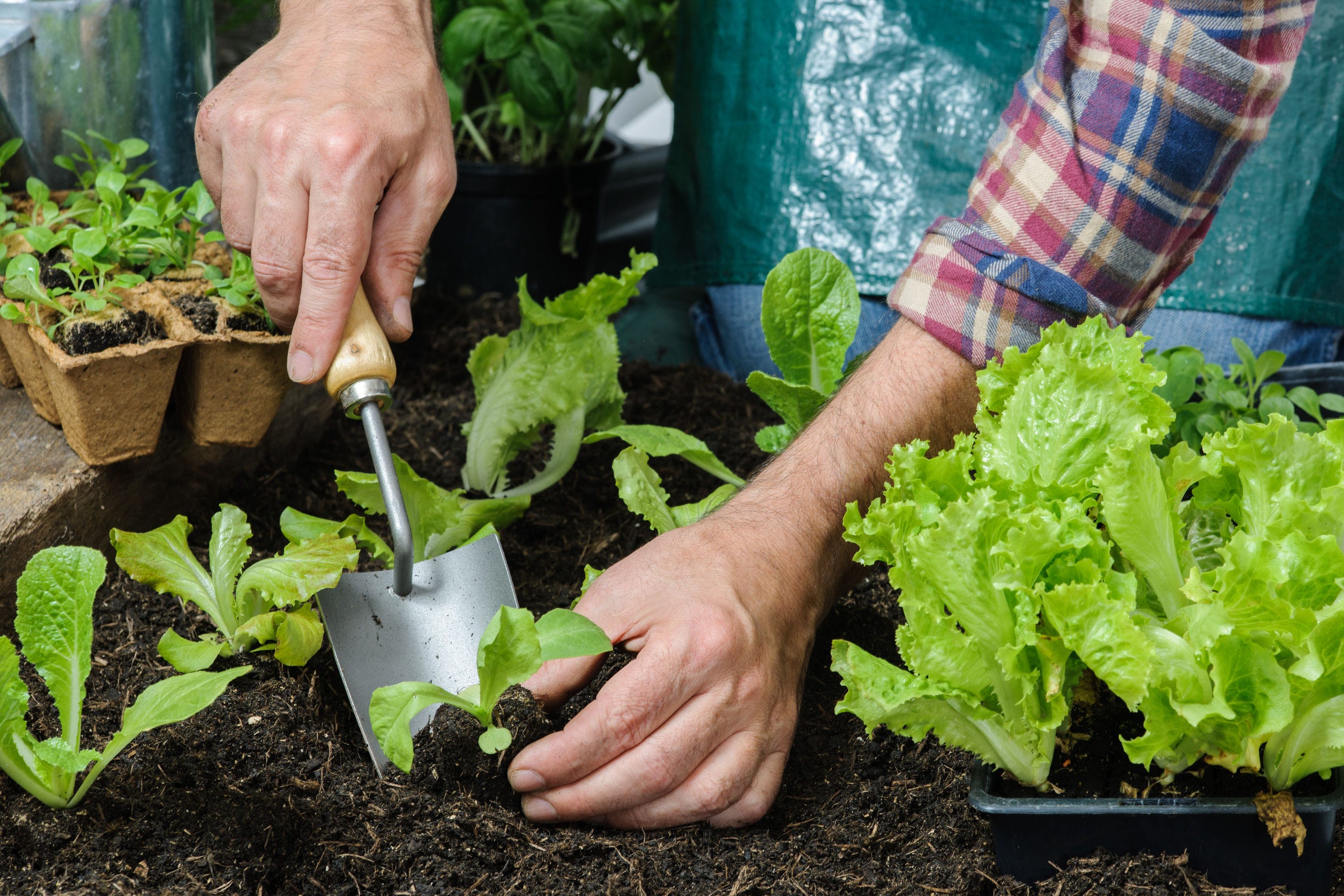
Action: Tend Your Belly Garden
Stop fighting your gut. Start tending it. Here’s insights from clinical nutrition.
Before adding probiotics, prepare the terrain: eat real food, chew it, restore stomach acid, support bile flow, and calm inflammation. Microbes don’t thrive in chaos—no matter how “beneficial” the label claims.
Feed the residents you already have. Fiber, polyphenols, and fermented foods (when tolerated) provide cooperative support. Water matters. Sleep matters. Stress matters. Gardens respond to seasons, not force.
This is what a competent clinical nutritionist does: first with supplements to effect gentle change, then with lifestyle recommendations to maintain.
When you use probiotics, think seed packets, not standing armies. In clinical nutrition, we choose keystone, human-adapted strains targeted for a purpose such as gut—>immune, brain, hormone, metabolic support. Use them briefly, and reassess.
If things worsen (bloating, gas), don’t double down—change conditions. Ensure your transit time is optimal.
Pull weeds gently (a.k.a. pathogen purge purification programs). Antibiotics, antimicrobials, and strong cleanses are sometimes necessary—but they are tools, not lifestyles. Every burn leaves bare ground until you restore it.
Most of all, trust biology over bravado. A battlefield demands victory. A garden rewards stewardship.

Your gut already knows how to regulate itself—provided you give it the right growing conditions.
The gut isn’t a battlefield to be conquered.
It’s an ecosystem to be restored.
Different strategy. Very different outcomes.
If you don't like what I am taking what do you suggest I take?